En
En Cn
Cn

Email:
huaren_inquiry@hdpharm.com
Sep 25, 2026
In 2026, nucleic acid uses in medicine have moved decisively beyond the mRNA vaccine chapter that defined public awareness of the field. For pharmaceutical R&D teams, oligonucleotide CDMOs, biotech startups, diagnostic reagent developers, and nucleic acid drug manufacturers, the strategic question is no longer whether nucleic acid therapeutics are promising—it is how to build reliable, scalable, and high-purity supply chains for the raw materials that make them work. The application of nucleic acid now spans antisense oligonucleotides, siRNA, RNA interference platforms, gene therapy support, molecular diagnostics, and rare disease research, with each of these areas placing increasingly demanding requirements on upstream chemistry—particularly the phosphoramidite building blocks that determine synthesis quality, modification accuracy, and batch reproducibility. Huaren supplies RNA phosphoramidites with different protection and modification strategies for nucleic acid drug R&D companies and oligonucleotide manufacturers, positioning itself as a focused supply partner for the expanding therapeutic applications of oligonucleotides.

The rapid expansion of ASO and siRNA therapeutics has created a procurement challenge that many R&D teams encounter only after their first failed synthesis cycle: nucleic acid drugs are extraordinarily sensitive to upstream material quality. Unlike small-molecule synthesis, where impurities can sometimes be tolerated or removed at later stages, oligonucleotide synthesis accumulates errors at every coupling step. A phosphoramidite with inconsistent purity, poor moisture control, or an unclear impurity profile does not produce a slightly lower-quality oligonucleotide—it produces a synthesis run with reduced coupling efficiency, higher truncated sequence burden, increased purification cost, and potentially a batch that fails specification entirely.
For B2B buyers managing nucleic acid drug programs, the most common raw material pain points are:
Inconsistent phosphoramidite purity across batches from the same supplier
Poor moisture control during storage and handling, which degrades amidite reactivity
Unclear or incomplete impurity profiles that make supplier qualification difficult
Low coupling efficiency that compounds across long oligonucleotide sequences
Batch-to-batch variation in protected nucleoside monomers that affects reproducibility
Difficulty scaling from research batches to pilot production without requalifying materials
Higher synthesis cost caused by failed cycles and increased purification burden
Weak documentation support for CDMO and pharmaceutical audit requirements
Confusion between DNA amidites, RNA amidites, modified RNA amidites, and specialty chemistry requirements
The future of nucleic acid drugs is shifting toward chronic diseases, rare diseases, neurological disorders, metabolic diseases, cardiovascular indications, and personalized medicine. Nature Reviews Drug Discovery describes oligonucleotides as molecules that can modulate gene expression through RNA interference, RNase H-mediated degradation, splicing modulation, non-coding RNA inhibition, gene activation, and gene editing-related approaches. For the R&D teams building these programs, the quality of upstream phosphoramidites is not a procurement detail—it is a scientific and commercial risk factor.
Understanding the full scope of nucleic acid uses in 2026 requires a clear map of the therapeutic categories, their mechanisms, and the raw material requirements that distinguish them.
Nucleic acid uses in modern medicine refer to the therapeutic, diagnostic, and research applications of DNA, RNA, modified nucleotides, oligonucleotides, and related chemical building blocks. The application of nucleic acid in medicine now covers a spectrum from well-established molecular diagnostics to emerging precision therapeutic platforms.
| Category | Mechanism | Primary Research and Commercial Value |
|---|---|---|
| mRNA therapeutics | Delivers RNA instructions to produce proteins | Vaccines, protein replacement, immunotherapy |
| ASO | Binds RNA to modify splicing, translation, or degradation | Rare disease, neuromuscular, neurological, metabolic |
| siRNA | RNA interference to silence target mRNA | Liver-targeted diseases, metabolic, genetic disorders |
| Aptamers | Folded nucleic acids that bind molecular targets | Diagnostics, target recognition, therapeutics |
| Gene therapy support | Nucleic-acid-based design and delivery systems | Rare genetic disease correction |
| Molecular diagnostics | Detects DNA/RNA sequences | Oncology, infection, inherited disease testing |
The mRNA vaccine success of 2020–2022 demonstrated that nucleic acid therapeutics could be manufactured and deployed at scale. But the more durable commercial opportunity lies in ASO and siRNA platforms, which are designed for chronic disease management, rare genetic disorders, and precision medicine applications where patients may receive treatment for years or decades.
Huaren explains that nucleic acid therapeutics include antisense oligonucleotides, aptamers, and siRNA, and that mRNA vaccine success renewed broader interest in RNA as a therapeutic platform. ASOs bind mRNA to regulate splicing or translation, while RNAi uses siRNA to target and degrade specific mRNA molecules. For procurement teams building supply chains for these programs, the distinction between ASO and siRNA chemistry requirements is significant—each platform requires different phosphoramidite types, modification strategies, and quality specifications.
The core principle behind the most important nucleic acid uses in precision medicine is sequence recognition. Instead of using a small molecule to bind a protein pocket, ASO and siRNA drugs are designed to recognize specific RNA sequences through base pairing—a mechanism that is inherently programmable and highly target-specific.
ASOs are typically single-stranded oligonucleotides, usually 15–25 nucleotides in length, designed to bind complementary RNA sequences. Once bound, they can influence gene expression through several mechanisms: RNase H-mediated degradation of the target RNA, splice modulation to correct aberrant splicing in genetic diseases, or translation blocking to reduce protein production. Reviews of antisense technology describe ASOs as programmable therapeutics with established clinical relevance in rare diseases and expanding potential across broader disease areas.
The chemistry requirements for ASO synthesis are demanding. Most clinical ASOs incorporate phosphorothioate backbone modifications for nuclease resistance, 2'-MOE or 2'-OMe sugar modifications for improved binding affinity and stability, and gapmer designs that combine modified flanking regions with a central DNA gap for RNase H activity. Each of these modifications requires specific phosphoramidite building blocks with high purity and well-controlled impurity profiles.
siRNA therapeutics use RNA interference to guide the RNA-induced silencing complex to degrade target mRNA, reducing production of disease-related proteins. Huaren describes siRNA as targeting and degrading specific mRNA molecules to prevent synthesis of harmful proteins associated with diseases such as hypercholesterolemia and amyloidosis—two of the most clinically advanced siRNA indications.
siRNA synthesis requires high-purity RNA phosphoramidites, typically incorporating 2'-F and 2'-OMe modifications to improve nuclease resistance and reduce immunostimulatory effects. For liver-targeted siRNA drugs, GalNAc conjugation chemistry adds another layer of complexity to the synthesis and raw material requirements.
Phosphoramidite chemistry has been the primary method for solid-phase oligonucleotide synthesis for decades, and it remains the dominant approach for manufacturing ASO and siRNA drugs at both research and commercial scale. Huaren states that phosphoramidite chemistry has been the gold standard for oligonucleotide synthesis and supplies RNA phosphoramidites with different protection and modification strategies for nucleic acid drug R&D companies and oligonucleotide manufacturers.
The reason high-purity phosphoramidites matter so much is the cumulative nature of solid-phase synthesis. A 20-mer oligonucleotide requires 20 sequential coupling steps. If each step achieves 99% coupling efficiency, the theoretical full-length product yield is approximately 82%. If coupling efficiency drops to 97% due to substandard amidite quality, the yield falls to approximately 54%—and the impurity burden from truncated sequences increases substantially. For longer oligonucleotides or complex modified sequences, the impact of amidite quality on synthesis outcome is even more pronounced.
A serious procurement strategy for nucleic acid drug raw materials must evaluate every component in the synthesis chain, not just the headline amidite type. The application of nucleic acid in therapeutic contexts demands a supply chain where every building block is characterized, documented, and consistent.
| Component | What to Check | Why It Matters |
|---|---|---|
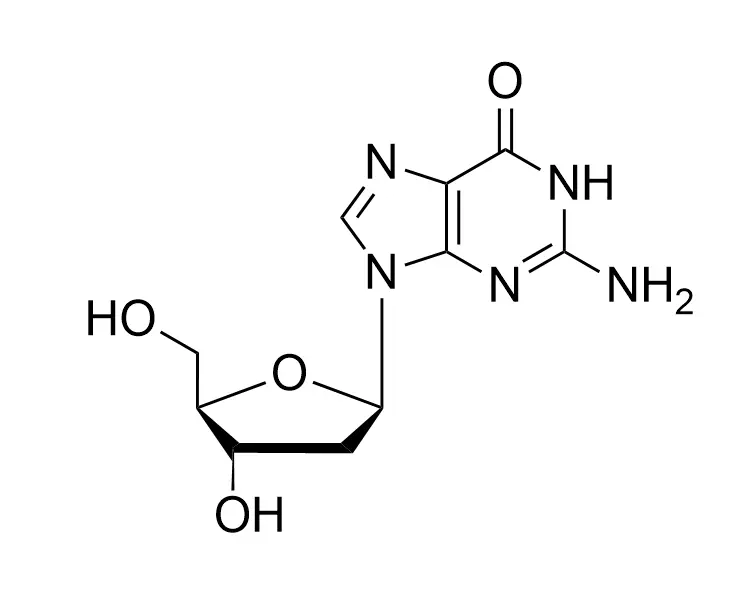
| DNA phosphoramidites | Purity, moisture, protection groups | Foundation for DNA oligo and gapmer synthesis |
| RNA phosphoramidites | 2'-OH protection strategy, stability, coupling efficiency | Critical for RNA and siRNA strand synthesis |
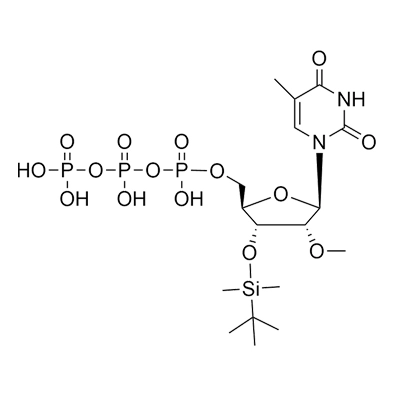
| 2'-OMe phosphoramidites | Identity, impurity profile, moisture control | Supports nuclease resistance and affinity tuning |
| 2'-F phosphoramidites | Purity and synthesis compatibility | Common in siRNA and modified RNA designs |
| 2'-MOE phosphoramidites | Quality and documentation | Widely used in ASO gapmer chemistry |
| LNA phosphoramidites | Modification quality and impurity control | Supports high-affinity oligonucleotide designs |
| GalNAc-related materials | Conjugation suitability and purity | Important for liver-targeted siRNA delivery |
| Solid supports | Loading capacity, linker stability, pore size | Affects synthesis yield and scale-up performance |
| Synthesis reagents | Anhydrous grade, impurity control | Supports coupling, oxidation, and sulfurization steps |
| QC documentation | COA, HPLC, MS, NMR, water content | Supports supplier qualification and audit readiness |
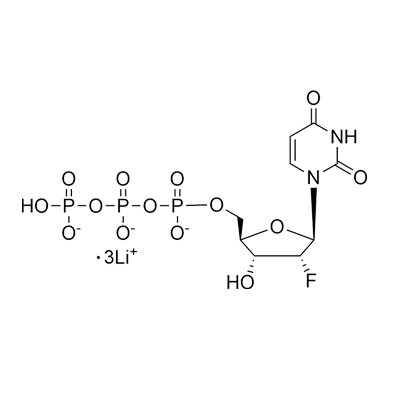
Huaren's product range includes multiple amidite categories: 2'-Fluoro, 2'-OMe, 2'-O-MOE, DNA, RNA, LNA, GalNAc, PMO monomer, PNA series, and other phosphoramidites—covering the diverse chemistry needs of modern oligonucleotide drug research.
| Factor | ASO | siRNA |
|---|---|---|
| Structure | Usually single-stranded | Usually double-stranded RNA duplex |
| Primary function | RNA degradation, splice modulation, translation control | RNA interference and mRNA silencing |
| Key chemistry | PS linkage, 2'-MOE, 2'-OMe, LNA, gapmer design | 2'-F, 2'-OMe, modified RNA, GalNAc conjugation |
| Delivery focus | CNS, liver, systemic, or local depending on design | Often liver-targeted with conjugation strategies |
| Buyer concern | Sequence fidelity, stereochemistry, impurity control | Duplex quality, strand purity, conjugation consistency |
Huaren explains that unmodified DNA and RNA have limited therapeutic performance because they are rapidly degraded in biological environments, show poor cellular uptake, or are filtered from blood. Chemical modifications—at the nucleobase, carbohydrate, or phosphodiester linkage—are used to improve target binding affinity, plasma stability, degradation resistance, and pharmacokinetic half-life. For buyers, this means that the phosphoramidite supply chain must cover not just standard DNA and RNA amidites, but the full range of modified building blocks required for clinically relevant oligonucleotide designs.
The therapeutic applications of oligonucleotides and the broader nucleic acid uses landscape now span:
Rare disease drug development using ASO splice modulation and RNA targeting
siRNA therapeutics for liver-targeted metabolic and genetic diseases
mRNA therapeutic platforms for protein replacement and immunotherapy
Gene therapy support research using nucleic-acid-based design systems
Personalized medicine programs targeting patient-specific genetic variants
Molecular diagnostics for oncology, infectious disease, and inherited disorders
Neuromuscular disease research using ASO-based approaches
Cardiovascular disease research using siRNA-mediated gene silencing
Immunotherapy research involving nucleic acid signaling pathways
RNA delivery platform development for next-generation therapeutic systems
Oligonucleotide CDMO manufacturing requiring consistent raw material supply
Supports next-generation ASO and siRNA development with appropriate modification chemistry
Enables more precise sequence-based therapeutic design through high-purity building blocks
Helps rare disease programs access the nucleotide chemistry required for genetic mechanism targeting
Supports long-acting and chemically modified oligonucleotide strategies
Improves synthesis reliability and coupling efficiency when high-quality phosphoramidites are used
Reduces impurity-related downstream purification burden and failed batch cost
Supports scale-up from discovery to pilot production with consistent batch quality
Strengthens documentation readiness for CDMO and pharmaceutical supplier qualification
Covers the full modification spectrum: 2'-OMe, 2'-F, 2'-MOE, LNA, PS linkage, GalNAc
Before sourcing phosphoramidites for nucleic acid drug development, buyers should clarify:
Is the project ASO, siRNA, mRNA, aptamer, diagnostic probe, or gene therapy support?
Which amidite chemistry is required: DNA, RNA, 2'-OMe, 2'-F, 2'-MOE, LNA, GalNAc, PMO, or other?
What purity level and moisture limit are required for the synthesis protocol?
What impurity profile is acceptable, and how will it be verified?
What coupling efficiency is expected, and how will it be tested?
What synthesis scale is planned, and can the supplier support scale-up quantities?
Is the project research-use, preclinical, pilot-scale, or GMP-facing?
What documentation is required: COA, SDS, TDS, HPLC, MS, NMR, residual solvent, water content?
Are custom modifications or specialty amidites required?
Is technical support available for protected nucleoside and phosphoramidite selection?
Before contacting Huaren, prepare the following:
Target therapeutic platform: ASO, siRNA, mRNA, aptamer, diagnostic oligo, or other
Required phosphoramidite type and modification strategy
Sequence length and synthesis scale
Target purity and moisture specification
Packaging size and storage requirement
COA and analytical documentation requirements
Batch consistency requirements for multi-lot procurement
Custom synthesis or specialty modification needs
Quantity, delivery schedule, and destination country
Supplier qualification requirements and audit documentation needs
Repeat order forecast and scale-up timeline
Phosphoramidite performance is highly sensitive to storage and handling conditions. To protect material quality from receipt through use:
Store under supplier-recommended temperature and humidity conditions—most amidites require cold, dry storage
Keep bottles tightly sealed after opening to prevent moisture uptake, which degrades amidite reactivity
Use dry inert gas handling where required by internal SOP
Minimize freeze-thaw cycles and temperature fluctuations
Use anhydrous solvents for synthesis preparation
Record opening date, batch number, and storage conditions on each container
Retest long-stored materials according to internal QC procedures before use in critical synthesis runs
Do not substitute modified amidites without synthesis protocol and biological activity review
Protect light-sensitive or specialty reagents according to supplier guidance
The future of nucleic acid drugs is being written in ASO and siRNA programs targeting rare diseases, chronic conditions, and precision medicine indications that were unreachable by conventional small-molecule approaches. The therapeutic applications of oligonucleotides are expanding faster than the supply chains supporting them—and for R&D teams and CDMOs building these programs, the quality of upstream phosphoramidites is a direct determinant of synthesis success, batch reproducibility, and scale-up confidence.
For buyers who need a nucleic acid drug raw material supplier that covers the full modification spectrum—from standard DNA and RNA amidites to 2'-OMe, 2'-F, 2'-MOE, LNA, GalNAc, PMO, and PNA series—Huaren provides a focused supply channel with the documentation, technical depth, and portfolio breadth that advanced oligonucleotide programs require.
Contact Huaren to discuss your phosphoramidite requirements, modification strategy, purity target, documentation needs, packaging size, custom synthesis requirements, and scale-up procurement plan. Huaren supplies RNA phosphoramidites and nucleic acid drug-related materials for oligonucleotide manufacturers and nucleic acid drug R&D companies, supporting the expanding application of nucleic acid in medicine.
Q1: What are the main nucleic acid uses in medicine in 2026?
The main uses include ASO therapeutics, siRNA therapeutics, mRNA platforms, gene therapy support, molecular diagnostics, rare disease research, and personalized medicine. The field has expanded significantly beyond mRNA vaccines into chronic and rare disease programs.
Q2: What is the application of nucleic acid in rare disease research?
In rare disease research, nucleic acid applications include ASO-based splice modulation to correct aberrant RNA processing, siRNA-mediated gene silencing to reduce harmful protein production, and gene therapy support for genetic disorder correction. ASOs are particularly relevant for rare diseases caused by splicing defects or gain-of-function mutations.
Q3: Why are high-purity phosphoramidites critical for nucleic acid drug synthesis?
Oligonucleotide synthesis is a sequential coupling process where impurity accumulates across every step. Low-purity or moisture-compromised phosphoramidites reduce coupling efficiency, increase truncated sequence burden, raise purification cost, and reduce batch reproducibility. For long or heavily modified oligonucleotides, even small purity differences have significant downstream impact.
Q4: What is the difference between ASO and siRNA in terms of chemistry and raw material needs?
ASOs are single-stranded oligonucleotides typically using PS backbone, 2'-MOE, 2'-OMe, or LNA modifications in gapmer designs. siRNAs are double-stranded RNA duplexes typically using 2'-F and 2'-OMe modifications, often with GalNAc conjugation for liver targeting. Each platform requires different phosphoramidite types, protection strategies, and quality specifications.
Q5: What should buyers check before purchasing phosphoramidites for nucleic acid drug programs?
Check chemical identity, modification type, purity method and specification, water content, impurity profile, coupling efficiency data, packaging and storage conditions, batch consistency across lots, COA and analytical documentation, scale-up capability, and supplier technical support for oligonucleotide synthesis applications.