En
En Cn
Cn

-CE-Phosphora_midite_00212057_20260409205152.webp "2',3'-ddG(dmf)-CE-Phosphoramidite")

Email:
huaren_inquiry@hdpharm.com
May 30, 2024
2 deoxyguanosine monohydrate is a modified nucleoside compound widely used as a biochemical reagent in molecular biology research. As a deoxyguanosine derivative, it contains the guanine base linked to a deoxyribose sugar and plays an important role in studies involving DNA synthesis, enzymatic reactions, nucleotide metabolism, and molecular analysis.
Unlike ordinary nucleosides that participate directly in cellular processes, research-grade nucleoside compounds are often used as controlled molecular tools to investigate biological mechanisms. The monohydrate form of 2 deoxyguanosine monohydrate provides improved handling characteristics and is commonly selected for laboratory applications that require consistent chemical performance.
For researchers working in genomics, biotechnology, pharmaceutical development, and molecular diagnostics, understanding the properties and applications of nucleoside reagents is essential for choosing suitable materials. Huarenscience supplies high-quality biochemical products designed to support reliable research workflows, helping laboratories maintain consistency in demanding molecular biology experiments.
The main difference between 2 deoxyguanosine monohydrate and other nucleosides lies in its molecular structure. Nucleosides consist of a nitrogenous base connected to a sugar molecule, while deoxynucleosides contain a deoxyribose sugar that lacks one oxygen atom compared with ribose found in RNA-related molecules.
2 deoxyguanosine monohydrate contains guanine as its nucleobase component. Guanine is one of the four major bases involved in DNA formation, pairing with cytosine through hydrogen bonding to contribute to DNA stability. This structural characteristic makes deoxyguanosine derivatives valuable for studying DNA-related biological processes.
Compared with other nucleosides, different base structures lead to different biochemical behaviors. For example, 2 deoxyadenosine monohydrate contains adenine instead of guanine, resulting in different molecular interactions and research applications. While both compounds are deoxynucleosides, their distinct bases make them suitable for different experimental purposes.
The chemical form, purity level, and stability of these compounds are important considerations when researchers select nucleoside reagents for molecular biology studies. Reliable characterization helps ensure that experimental results reflect biological mechanisms rather than variations caused by reagent quality.
DNA synthesis relies on the availability of deoxynucleoside triphosphates, which serve as building blocks for DNA polymerase-mediated strand extension. Although 2 deoxyguanosine monohydrate itself is not the activated triphosphate form directly incorporated into DNA chains, it serves as an important research compound for studying guanine-related nucleotide metabolism and enzymatic pathways.
In molecular biology research, deoxyguanosine derivatives are frequently used to investigate how cells process DNA components, how enzymes recognize nucleotide structures, and how genetic information is maintained. Researchers may use 2 deoxyguanosine monohydrate as a reference compound, analytical standard, or biochemical material in controlled experiments.
The structural relationship between nucleosides and nucleotides makes these compounds valuable for understanding DNA replication mechanisms. Studies involving nucleotide conversion, enzyme activity, and molecular interactions often require highly consistent starting materials to ensure reliable observations.
Similarly, 2 deoxyadenosine monohydrate is used in molecular research because adenine-containing nucleosides participate in different biochemical pathways. Comparing guanosine and adenosine derivatives allows researchers to better understand how specific nucleobases influence molecular recognition and biological activity.
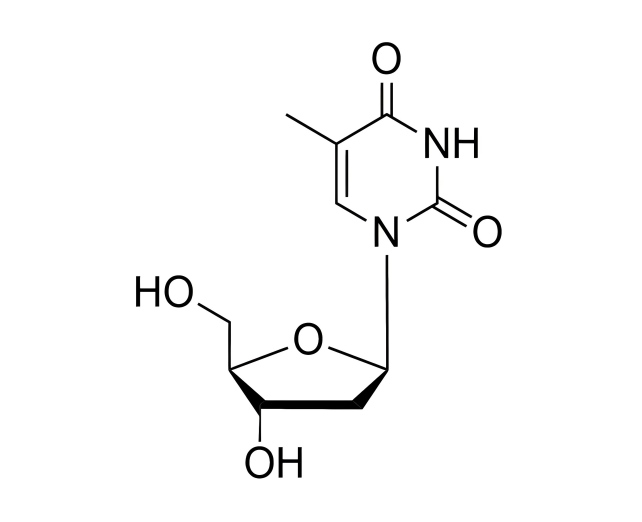
The applications of 2 deoxyguanosine monohydrate extend across several areas of molecular biology research. Because of its defined chemical structure and biological relevance, it is used in studies involving nucleic acid chemistry, enzymatic analysis, and biochemical characterization.
One common research area involves nucleotide metabolism studies. Scientists use deoxynucleoside compounds to examine how biological systems synthesize, modify, and recycle DNA-related molecules. These studies contribute to a better understanding of cellular processes and molecular regulation.
Another important application is analytical research. High-purity nucleosides can serve as reference materials for developing and validating analytical methods used in biochemical testing. Consistent chemical standards are particularly important when researchers compare results across different experiments or laboratories.
In addition, 2 deoxyguanosine monohydrate and related compounds are used in pharmaceutical and biotechnology research where understanding nucleoside behavior is necessary for developing new molecular approaches. Their defined structures make them suitable tools for investigating enzyme interactions and nucleotide-related pathways.
Researchers selecting biochemical reagents often evaluate factors such as purity, documentation, and supplier reliability. Huarenscience provides access to a range of molecular biology materials through its product portfolio, supporting laboratories that require dependable research compounds.
The quality of nucleoside reagents has a direct influence on the reliability of molecular biology experiments. When researchers use 2 deoxyguanosine monohydrate, factors such as chemical purity, structural consistency, and storage stability can determine whether experimental results accurately reflect the biological process being studied.
Impurities or degradation products may interfere with enzyme-based assays, analytical measurements, or biochemical interactions. Even small variations in reagent composition can introduce unexpected changes in experimental performance, especially in studies where precise molecular recognition or quantitative analysis is required.
High-purity 2 deoxyguanosine monohydrate provides researchers with a more reliable foundation for reproducible experiments. Consistent quality helps reduce uncertainty when comparing results across different research conditions, instruments, or laboratories.
The same consideration applies to other nucleoside compounds such as 2 deoxyadenosine monohydrate. Although these compounds have different nucleobase structures and biological characteristics, both require strict quality control to ensure their suitability for molecular biology applications.
When selecting biochemical reagents, researchers typically consider supplier quality standards, product documentation, and application compatibility. Huarenscience focuses on providing molecular biology products with consistent specifications to support research teams requiring dependable materials for laboratory applications.
Proper handling and storage are important for maintaining the stability of 2 deoxyguanosine monohydrate. Like many biochemical reagents, nucleoside compounds may be affected by unsuitable environmental conditions, contamination risks, or repeated handling.
Researchers should follow recommended storage conditions provided by the supplier and minimize unnecessary exposure to factors that may influence product stability. Maintaining appropriate temperature conditions, protecting reagents from contamination, and using clean laboratory practices help preserve chemical quality during routine experiments.
Accurate preparation and handling are also important when comparing experimental results. Variations caused by improper storage or inconsistent preparation methods may affect analytical outcomes and make it more difficult to interpret biological data.
For laboratories working with multiple nucleoside reagents, including 2 deoxyguanosine monohydrate and 2 deoxyadenosine monohydrate, maintaining organized reagent management practices can improve workflow efficiency and experimental reproducibility.
Different deoxynucleosides are selected according to their molecular structures and intended research applications. Although they share a common deoxyribose sugar component, differences in their nitrogenous bases influence their biochemical properties and experimental roles.
| Compound | Main Structural Feature | Common Research Considerations |
|---|---|---|
| 2 deoxyguanosine monohydrate | Contains guanine as the nucleobase | Used in studies involving guanine-related DNA chemistry, nucleotide metabolism, and molecular analysis |
| 2 deoxyadenosine monohydrate | Contains adenine as the nucleobase | Used for studying adenine-related biochemical pathways and molecular interactions |
| Other deoxynucleosides | Contain different DNA-associated bases | Selected according to specific experimental objectives and biological mechanisms |
The choice between 2 deoxyguanosine monohydrate and other deoxynucleosides depends on the purpose of the research. Studies focused on guanine-containing molecular structures require different materials from experiments examining adenine-related pathways or other nucleotide components.
Understanding these differences allows researchers to select appropriate compounds and design experiments with clearer objectives. Reliable nucleoside reagents help ensure that observed results are associated with the research question rather than inconsistent material quality.
Reliable molecular biology research depends on access to consistent and well-characterized reagents. For laboratories studying nucleic acid chemistry, nucleotide metabolism, or biochemical mechanisms, reagent quality plays an important role in maintaining experimental accuracy.
Huarenscience provides molecular biology products designed for research applications where chemical consistency and dependable performance are required. By supporting researchers with reliable biochemical materials, Huarenscience helps laboratories improve workflow stability and reduce uncertainty during experimental development.
Researchers who need additional product details, technical information, or application support can communicate with the Huarenscience team through the contact page to discuss suitable solutions for their research requirements.
2 deoxyguanosine monohydrate is an important nucleoside reagent used in molecular biology research because of its defined structure and relevance to DNA-related studies. Its applications include nucleotide metabolism research, biochemical analysis, molecular interaction studies, and analytical method development.
The performance of nucleoside reagents depends on several factors, including chemical purity, storage conditions, handling procedures, and application compatibility. Choosing reliable compounds such as high-quality 2 deoxyguanosine monohydrate and 2 deoxyadenosine monohydrate helps researchers maintain more consistent experimental results.
As molecular biology continues to advance, dependable biochemical materials remain essential for accurate research outcomes. By understanding the properties and applications of different deoxynucleosides, researchers can make better decisions when designing experiments and selecting suitable reagents.
2 deoxyguanosine monohydrate is used in molecular biology research as a biochemical reagent for studies involving DNA chemistry, nucleotide metabolism, and molecular analysis.
The main difference is the nucleobase structure. 2 deoxyguanosine monohydrate contains guanine, while 2 deoxyadenosine monohydrate contains adenine, leading to different biochemical properties.
High purity helps reduce experimental interference and improves the reliability and reproducibility of molecular biology research results.
Yes. Although it is not the activated triphosphate form used directly for DNA polymerization, it is valuable for studying DNA-related biochemical pathways and molecular mechanisms.
It should be stored according to supplier recommendations, with appropriate protection from unsuitable environmental conditions and contamination.
Researchers select deoxynucleosides based on their molecular structure, experimental objectives, required purity, and compatibility with the intended application.